
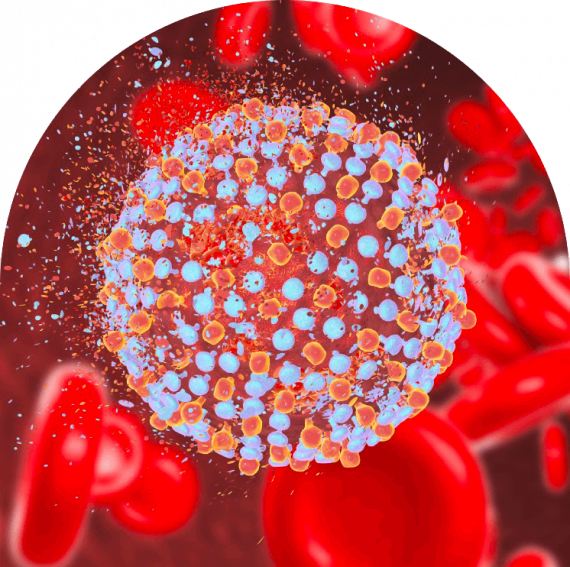
Hepatitis C (HCV) is an infectious disease caused by the hepatitis C virus, which primarily affects the liver. There are six major genotypes (strains) of HCV and more than 50 subtypes – historically, the genotype affected which treatment was recommended, though modern direct-acting antiviral (DAA) medications are effective across all genotypes.
Without treatment, chronic hepatitis C causes gradual liver damage and scarring (cirrhosis). With modern treatment, hepatitis C is now curable in most people – typically with a short course of oral medication.
How common is Hepatitis C?
Since direct-acting antivirals (DAAs) became available in Australia, the number of people living with chronic hepatitis C has fallen substantially — an estimated 70,000–100,000 Australians are currently affected, down significantly from earlier figures. Annual notification numbers have also declined over this period.
Most people with hepatitis C have no symptoms when first infected and may remain unaware of the infection for many years.
When symptoms do occur, they can include:
-
- Fever
- Fatigue
- Dark urine
- Clay-coloured stool
- Abdominal pain
- Loss of appetite
- Nausea and vomiting
- Muscle aches and joint pain
- Jaundice (yellowing of the skin and eyes)
Of those exposed to HCV, approximately 75–85% develop chronic infection. In the remaining 15–25%, the body clears the virus naturally without treatment.
People with chronic hepatitis C experience gradual liver damage; in some cases this progresses to cirrhosis, liver failure requiring transplantation, or liver cancer.
HCV is transmitted through exposure to infected blood.
Common routes of transmission include:
-
- Sharing needles, syringes, or other equipment used to inject drugs
- Receipt of donated blood, blood products, or organs before 1992 (when blood screening was introduced in Australia)
- Needlestick injuries in healthcare settings
- Mother-to-child transmission during childbirth
- Unprotected sex with a person living with hepatitis C (less common, but a recognised route)
- Tattooing or body piercing with unsterilised equipment
Hepatitis C is not spread through casual contact – it cannot be transmitted by hugging, sharing food or drinks, coughing, or sneezing.
Because hepatitis C rarely causes symptoms, many people are diagnosed incidentally – through blood donation screening, routine liver function testing, or screening as part of a risk assessment.
Testing involves:
-
- Hepatitis C antibody test – a blood test that detects antibodies to HCV, indicating past or current exposure
- HCV RNA test (PCR) – confirms active infection and measures the amount of virus in the blood (viral load)
- HCV genotype test – identifies which strain of the virus is present, which guides treatment selection
- Liver assessment – including blood tests (liver function, FIB-4 score) and imaging such as FibroScan (transient elastography) to assess the degree of liver scarring
Testing is recommended for anyone who has ever injected drugs, received a blood transfusion before 1992, has had tattoos or piercings with unsterilised equipment, or has other risk factors.
Hepatitis C is now curable for most people. Treatment with direct-acting antivirals (DAAs) achieves a sustained virological response (SVR) – effectively a cure – in over 95% of people who complete treatment. DAAs are oral medications taken daily, typically for 8–12 weeks, with minimal side effects compared to older interferon-based treatments.
Treatment is recommended for all people with chronic hepatitis C regardless of liver disease stage. The goal is to eliminate the virus, halt liver damage, reduce the risk of cirrhosis and liver cancer, and prevent transmission to others.
Following successful treatment, ongoing monitoring of liver health is recommended – particularly for people who had significant liver scarring before treatment, as they remain at increased risk of liver cancer. A GP can arrange testing.
Hepatitis C is now curable for most people.
Treatment with direct-acting antivirals (DAAs) achieves a sustained virological response (SVR) – effectively a cure – in over 95% of people who complete treatment. DAAs are oral medications taken daily, typically for 8–12 weeks, with minimal side effects compared to older interferon-based treatments.
Treatment is recommended for all people with chronic hepatitis C regardless of liver disease stage. The goal is to eliminate the virus, halt liver damage, reduce the risk of cirrhosis and liver cancer, and prevent transmission to others.
Following successful treatment, ongoing monitoring of liver health is recommended – particularly for people who had significant liver scarring before treatment, as they remain at increased risk of liver cancer.
The following specialty medications may be available at Ace, a specialty pharmacy for HIV.
NRTI = nucleoside reverse transcriptase inhibitor; NNRTI = non-nucleoside reverse transcriptase inhibitor; PI = protease inhibitor; INSTI = integrase strand transfer inhibitor
With Ace, you’ll benefit from:
-
- Expert Support — Our dedicated team of health concierges is always available to answer your questions, provide guidance, and help you navigate your condition with confidence.
- Specialty Medication — We offer a wide range of specialty medications and support services, designed specifically for those living with chronic illnesses. Whether you’re looking for help managing a specific condition, or simply need access to the medications you need, we’ve got you covered.
- A Wide Range of Conditions — From diabetes to heart disease, and everything in between, we help manage a variety of special condition
Take control of your health and well-being, and start your journey to better health with Ace today.
Hepatitis C Resources
-
- Hepatitis Australia – Australia's peak body for viral hepatitis; information, advocacy, and support
- Hepatitis Australia – Find Support – directory of state and territory hepatitis organisations
- Positive Life NSW – peer support and advocacy for people living with hepatitis C
Clinical & Research Resources
-
- Healthdirect – Hepatitis C
- Australasian Society for HIV, Viral Hepatitis and Sexual Health Medicine (ASHM) – clinical guidelines and resources for healthcare providers
- The Kirby Institute – leading Australian research institute for hepatitis C epidemiology and treatment