
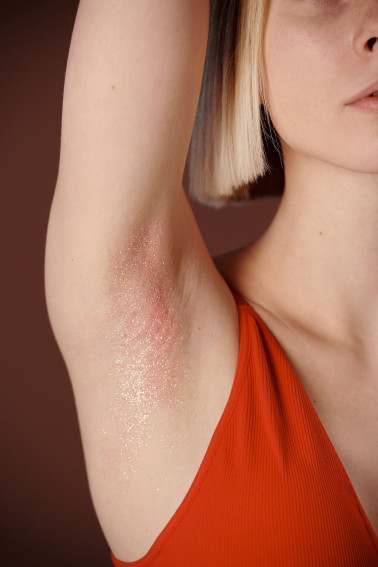
Hidradenitis Suppurativa (HS) – also called acne inversa – is a chronic inflammatory skin condition affecting the hair follicles in areas where skin rubs together, such as the armpits, groin, buttocks, inner thighs, and under the breasts. It causes painful lumps, abscesses, and over time can lead to tunnels under the skin (sinus tracts) and permanent scarring.
HS is frequently misdiagnosed or dismissed as recurring boils or infections – the average time from first symptoms to correct diagnosis is around seven years. It is not caused by poor hygiene and is not contagious.
How common is Hidradenitis Suppurativa?
HS is estimated to affect approximately 1% of the population, though it is likely underdiagnosed due to its similarity in appearance to other conditions and the reluctance some people feel to seek help for symptoms in sensitive areas.
It is two to three times more common in women than men and most commonly develops after puberty, typically between the ages of 18 and 40. Smoking and obesity are significant risk factors.
Aboriginal and Torres Strait Islander peoples may experience higher rates of HS.
HS typically begins as tender lumps that resemble boils or pimples in skin fold areas.
As the condition progresses, symptoms may include:
-
- Painful, pea-sized lumps under the skin that develop in the armpits, groin, buttocks, inner thighs, or under the breasts
- Abscesses that enlarge, break open, and discharge pus – sometimes with an odour
- Tunnels (sinus tracts) that form under the skin, connecting lesions
- Scarring and thickening of the skin in affected areas over time
- Persistent low-grade pain or soreness between flares
HS is classified into three stages (Hurley staging):
-
- Stage I involves isolated lumps without scarring;
- Stage II involves recurrent lesions with some scarring and sinus tract formation;
- Stage III involves widespread, interconnected lesions with extensive scarring across one or more regions.
The impact of HS on quality of life is significant – chronic pain, discharge, odour, scarring, and the location of lesions can lead to social withdrawal, difficulties with work and relationships, and high rates of depression and anxiety.
HS is caused by blockage and rupture of hair follicles in skin fold areas, triggering an immune response and chronic inflammation.
The exact underlying cause is not fully understood but involves:
-
- Immune system dysregulation – an overactive inflammatory response in the skin drives the formation and recurrence of lesions
- Genetics – HS runs in families; around one third of people with HS have a family member with the condition
- Hormonal factors – HS often worsens around puberty and in women around their menstrual cycle, suggesting hormonal influences
- Contributing factors – smoking and obesity are strongly associated with more severe HS and poorer treatment outcomes; weight loss and smoking cessation can meaningfully improve the condition
HS is a clinical diagnosis – there is no specific blood test or biopsy finding that confirms it.
Diagnosis is based on:
-
- The characteristic appearance and location of lesions (skin fold areas)
- A history of recurrence – at least two episodes in the same area over six months
- The presence of sinus tracts or scarring in more advanced cases
Blood tests may be ordered to assess inflammation and rule out infection. Referral to a dermatologist is recommended for confirmation and management planning, particularly for moderate to severe disease.
Treatment depends on disease severity (Hurley stage) and aims to reduce inflammation, prevent new lesions, manage pain, and minimise scarring.
Mild disease (Hurley Stage I)
-
- Topical clindamycin – an antibiotic gel applied to affected areas to reduce surface bacteria and inflammation
- Antiseptic washes – such as chlorhexidine, as part of daily skin care
- Lifestyle changes – smoking cessation, weight loss, and avoiding tight clothing and friction can improve outcomes
Moderate to severe disease (Hurley Stage II–III)
-
- Oral antibiotics – the combination of clindamycin and rifampicin is commonly used for active disease; tetracyclines (such as doxycycline) are also used
- Hormonal therapy – for women with cycle-related flares, oral contraceptives or anti-androgens may be considered
- Biologic therapies — adalimumab (Humira) was the first biologic approved for HS in Australia and remains a key treatment option. Secukinumab (Cosentyx) and bimekizumab (Bimzelx) are newer options available for moderate to severe HS.
- Surgery – deroofing (opening sinus tracts) and wide excision are used for localised or refractory disease; surgery does not cure HS but can provide long-term relief in specific areas
The following specialty medications are available at Ace, a specialty pharmacy for Hidradenitis Suppurativa.
Biosimilars of adalimumab are available. Speak with your Ace pharmacist about your options.
Note: Oral antibiotics (clindamycin, rifampicin, doxycycline) are used in HS treatment but are general medications not listed here as specialty medications.
With Ace, you’ll benefit from:
-
- Expert Support — Our dedicated team of health concierges is always available to answer your questions, provide guidance, and help you navigate your condition with confidence.
- Specialty Medication — We offer a wide range of specialty medications and support services, designed specifically for those living with chronic illnesses. Whether you’re looking for help managing a specific condition, or simply need access to the medications you need, we’ve got you covered.
- A Wide Range of Conditions — From diabetes to heart disease, and everything in between, we help manage a variety of special condition
Take control of your health and well-being, and start your journey to better health with Ace today.
HS-Specific Support
-
- HS Australia – Australian peer support organisation for people with hidradenitis suppurativa; community forums, resources, and advocacy
- HS Australia – Find a Specialist
Broader Skin Health Resources
Clinical & Research Resources