
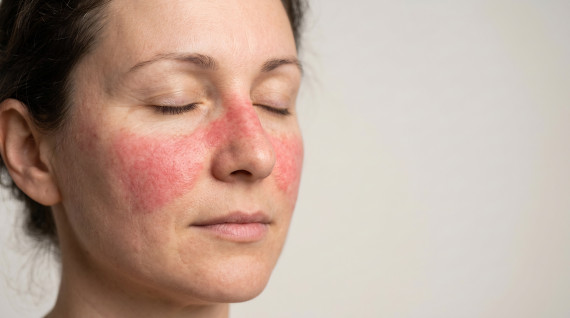
Systemic lupus erythematosus – commonly known as SLE or lupus – is a chronic autoimmune disease in which the immune system mistakenly attacks the body's own healthy tissues, causing widespread inflammation and damage. Lupus can affect almost any organ or body system, including the skin, joints, kidneys, lungs, heart, and brain.
The term 'systemic' reflects the fact that lupus can involve many parts of the body at once, setting it apart from more localised forms of the condition such as discoid lupus, which primarily affects the skin.
There is no cure for lupus, but with the right treatment most people with SLE are able to manage their symptoms and live a full life. Symptoms tend to fluctuate – periods of flare (when the condition worsens) are followed by periods of remission (when symptoms ease or resolve). Early diagnosis and ongoing specialist care are essential for protecting organ health and quality of life.
How common is Lupus?
It is estimated that more than 20,000 Australians are living with SLE, according to the Australasian Society of Clinical Immunology and Allergy (ASCIA). Lupus affects women in far greater numbers than men – approximately 90% of people with SLE are female – and symptoms typically begin between the ages of 20 and 40, though the condition can develop at any age.
Aboriginal and Torres Strait Islander peoples are disproportionately affected by lupus, with studies estimating they are two to four times more likely to develop SLE than non-Indigenous Australians, and may experience more severe disease. Lupus-related mortality rates among First Nations communities can be significantly higher. Addressing these disparities is an important part of improving lupus outcomes in Australia.
Lupus symptoms vary widely between individuals and can change over time. Some of the most common include:
-
- A butterfly-shaped rash (malar rash) across the cheeks and bridge of the nose – one of the most recognisable features of SLE
- Skin rashes elsewhere on the body, or skin that becomes very sensitive to sunlight (photosensitivity)
- Joint pain, stiffness, and swelling – often in the hands, wrists, and knees
- Persistent fatigue and a general feeling of being unwell
- Fever, particularly during flares
- Mouth or nose ulcers
- Hair loss or thinning
- Raynaud's phenomenon – fingers and toes that turn white or blue in response to cold or stress
- Swollen lymph nodes
- Loss of appetite and weight loss
In more severe cases, lupus can affect the kidneys (lupus nephritis), heart, lungs, or brain. Symptoms that suggest organ involvement – such as unexplained swelling, shortness of breath, chest pain, or neurological changes – require urgent medical attention.
The exact cause of lupus is not fully understood. It is thought to result from a combination of factors:
-
- Genetics – lupus can run in families, and certain genes are associated with increased risk, though having a family member with lupus does not mean you will develop it
- Hormones – the fact that lupus is far more common in women of childbearing age suggests that oestrogen and other hormones play a role in the condition
- Environmental triggers – ultraviolet light (sunlight), certain viral infections, cigarette smoke, and some medications can trigger or worsen lupus in susceptible individuals
- Immune system dysfunction – in lupus, the immune system produces antibodies (called autoantibodies) that attack normal body tissue, leading to inflammation and damage
Stress, pregnancy, and infections can also trigger symptom flares in people already living with lupus.
There is no single test that can diagnose lupus. Diagnosis requires a combination of clinical assessment, blood and urine tests, and sometimes imaging or biopsy. Common investigations include:
-
- Anti-nuclear antibody (ANA) test – a blood test that checks for antibodies against the body's own cells. A positive ANA is common in lupus but is not specific to it
- Anti-dsDNA and anti-Smith antibodies – more specific to SLE than the general ANA test
- Blood count and inflammatory markers – to detect anaemia, low white cell counts, or elevated CRP and ESR
- Urine tests – to look for protein or blood in the urine, which can indicate lupus nephritis
- Complement levels (C3, C4) – often low during active lupus
- Biopsy – of the skin to confirm cutaneous lupus, or of the kidney to classify lupus nephritis and guide treatment decisions
Because lupus can mimic many other conditions, and symptoms can fluctuate, diagnosis can take time – sometimes years. Early referral to a rheumatologist or clinical immunologist is important.
Treatment aims to reduce inflammation, prevent flares, protect organs, and improve quality of life. The approach is tailored to each person depending on which organs are involved and the severity of their disease.
Sun protection and lifestyle Protecting skin from UV exposure is essential for most people with lupus – this means using SPF 50+ sunscreen daily, wearing protective clothing, and avoiding peak sun hours. Regular moderate exercise, stress management, and not smoking all support better outcomes.
Medications
Antimalarials — hydroxychloroquine (Plaquenil) is the cornerstone of SLE treatment, recommended for almost all people with lupus regardless of disease severity. It reduces flare frequency and improves long-term organ outcomes.
NSAIDs (non-steroidal anti-inflammatory drugs) such as ibuprofen or naproxen are used for joint pain and fever during mild flares. Corticosteroids such as prednisolone are used to quickly control inflammation during flares, though long-term use is limited due to side effects.
Immunosuppressants including mycophenolate mofetil, azathioprine, and methotrexate are used to control the overactive immune response and reduce dependence on corticosteroids. Mycophenolate is particularly used in lupus nephritis.
Biologic therapies target specific parts of the immune system. Belimumab (Benlysta) and anifrolumab (Saphnelo) are biologic options used in SLE — speak with your specialist about whether these are appropriate for your situation.
The following specialty medications are available at Ace, a specialty pharmacy for Lupus (SLE).
With Ace, you’ll benefit from:
-
- Expert Support — Our dedicated team of health concierges is always available to answer your questions, provide guidance, and help you navigate your condition with confidence.
- Specialty Medication — We offer a wide range of specialty medications and support services, designed specifically for those living with chronic illnesses. Whether you’re looking for help managing a specific condition, or simply need access to the medications you need, we’ve got you covered.
- A Wide Range of Conditions — From diabetes to heart disease, and everything in between, we help manage a variety of special condition
Take control of your health and well-being, and start your journey to better health with Ace today.
There are several organisations that support Australians living with lupus.
Lupus-Specific Organisations
-
- Lupus Association of NSW – peer support, information, and advocacy for people with lupus across Australia; helpline 1800 802 088
- Lupus Victoria
- Lupus WA
For Aboriginal and Torres Strait Islander people
-
- Staying Strong with Arthritis – Lupus – culturally appropriate information about lupus for First Nations Australians
Clinical & Research Resources