
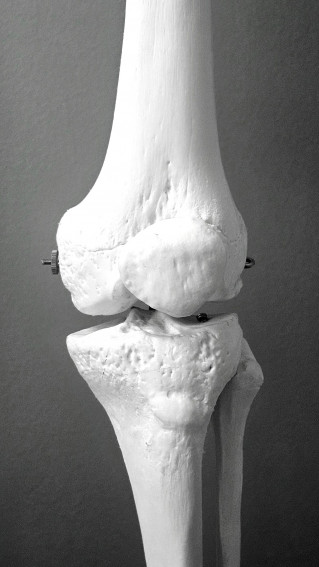
Osteoporosis is a condition in which bones lose density and strength, becoming porous and fragile. In osteoporosis, bone is broken down faster than it is replaced, causing bones to weaken over time.
Often called a "silent disease," bone loss occurs gradually without symptoms — most people are unaware until they experience a fracture. Fractures can occur with minimal force, such as a minor fall, and most commonly affect the spine, hip, and wrist.
Osteoporosis is closely related to osteopenia — lower-than-normal bone density that has not yet reached the osteoporosis threshold. Osteopenia does not always progress to osteoporosis but is an important early warning sign.
How common is Osteoporosis?
Over one million Australians are living with osteoporosis, with a further 6.3 million living with osteopenia. It affects one in three women and one in five men over 50.
While most commonly associated with post-menopausal women — oestrogen plays a key role in maintaining bone density — osteoporosis also affects men and can occur at younger ages in people with certain risk factors. It is responsible for approximately 183,000 fractures in Australia each year, many causing significant disability, particularly hip fractures in older adults.
Osteoporosis itself causes no pain or symptoms in its early stages. Symptoms typically only become apparent once a fracture has occurred or significant bone loss has developed:
-
- Fracture from a minor fall, bump, or everyday activity that would not normally cause a break
- Back pain caused by a fractured or collapsed vertebra (vertebral fracture) – these can sometimes occur without a fall, causing sudden severe back pain
- Gradual loss of height over time, often from multiple small vertebral fractures
- Stooped or hunched posture (kyphosis), caused by vertebral compression
- A bone that breaks more easily or severely than expected
Because symptoms are absent until significant damage has occurred, screening and early detection are essential for people with risk factors.
Bone density peaks in early adulthood and naturally declines with age. Osteoporosis occurs when this decline is accelerated or when peak bone mass was never adequate. Key risk factors include:
-
- Age – bone density declines naturally with age; the risk of osteoporosis increases significantly after 50
- Sex – women are at higher risk, particularly after menopause due to the rapid decline in oestrogen
- Low oestrogen or testosterone – hormonal deficiency from any cause, including early menopause, cancer treatment, or surgical removal of the ovaries or testes
- Family history – a parent or sibling with osteoporosis or a history of hip fracture increases risk
- Low body weight or a history of eating disorders – inadequate nutrition reduces bone-building capacity
- Calcium and vitamin D deficiency – both are essential for bone mineralisation
- Physical inactivity – bone mass is maintained by weight-bearing exercise; sedentary lifestyles accelerate loss
- Smoking and excessive alcohol – both impair bone formation and increase fracture risk
- Long-term corticosteroid use – one of the most common causes of secondary osteoporosis; glucocorticoids suppress bone formation and increase resorption
- Other medical conditions – including coeliac disease, inflammatory bowel disease, rheumatoid arthritis, hyperthyroidism, chronic kidney disease, and some cancer treatments
Bone density is measured using a DEXA scan (dual-energy X-ray absorptiometry), a low-dose X-ray that measures bone mineral density (BMD) at the hip and spine. Results are reported as a T-score:
-
- T-score of -1.0 or above – normal bone density
- T-score between -1.0 and -2.5 – osteopenia (low bone density)
- T-score of -2.5 or below – osteoporosis
The FRAX tool (Fracture Risk Assessment Tool) is also used to calculate a person's 10-year probability of major osteoporotic fracture, combining BMD with other clinical risk factors.
Blood and urine tests may be ordered to rule out secondary causes of bone loss (such as vitamin D deficiency, thyroid disease, or malabsorption). A Medicare rebate for DEXA scanning is available for people who meet certain eligibility criteria, such as women aged 70 or over, people on long-term corticosteroids, or those with a history of fracture.
Treatment aims to slow bone loss, maintain bone density, and reduce fracture risk through a combination of lifestyle measures and medication.
Lifestyle measures
Adequate calcium intake (approximately 1,300 mg/day for women over 50 and men over 70) through diet or supplementation, and vitamin D for calcium absorption, form the foundation of management.
Weight-bearing exercise such as walking and resistance training helps maintain bone density. Falls prevention — including home hazard assessment, balance exercises, and medication review — is also important.
Medications
Bisphosphonates are the most widely used first-line treatment, available as weekly or monthly oral tablets or an annual intravenous infusion (zoledronic acid).
-
- Denosumab (Prolia) is a biologic injection given every six months. Highly effective, but must not be stopped abruptly — discontinuation without transitioning to another medication causes rapid bone density loss. Any decision to stop should be made with a specialist.
- Romosozumab (Evenity) is a newer monthly injectable given for 12 months that both reduces bone resorption and stimulates bone formation, used for people at very high fracture risk.
- Teriparatide (Forteo) stimulates new bone formation via daily self-injection, used for severe osteoporosis or when other treatments have been insufficient.
- Hormone therapy containing oestrogen may be considered in postmenopausal women where bone protection and symptom relief are both priorities.
The following specialty medications that may be available at Ace, a specialty pharmacy for Osteoporosis.
Note: Calcium and vitamin D supplements are essential to osteoporosis management but are available over-the-counter and are not listed here as specialty medications.
With Ace, you’ll benefit from:
-
- Expert Support — Our dedicated team of health concierges is always available to answer your questions, provide guidance, and help you navigate your condition with confidence.
- Specialty Medication — We offer a wide range of specialty medications and support services, designed specifically for those living with chronic illnesses. Whether you’re looking for help managing a specific condition, or simply need access to the medications you need, we’ve got you covered.
- A Wide Range of Conditions — From diabetes to heart disease, and everything in between, we help manage a variety of special condition
Take control of your health and well-being, and start your journey to better health with Ace today.
Osteoporosis-specific support
-
- Healthy Bones Australia – Australia's peak body for osteoporosis and bone health; previously known as Osteoporosis Australia. Patient resources, risk assessment tools, and support
- Healthy Bones Australia – Bone Density Testing
- Healthy Bones Australia – Find a Specialist
Broader Health Resources
Clinical Resources